Gantry Crane
Gantry Crane
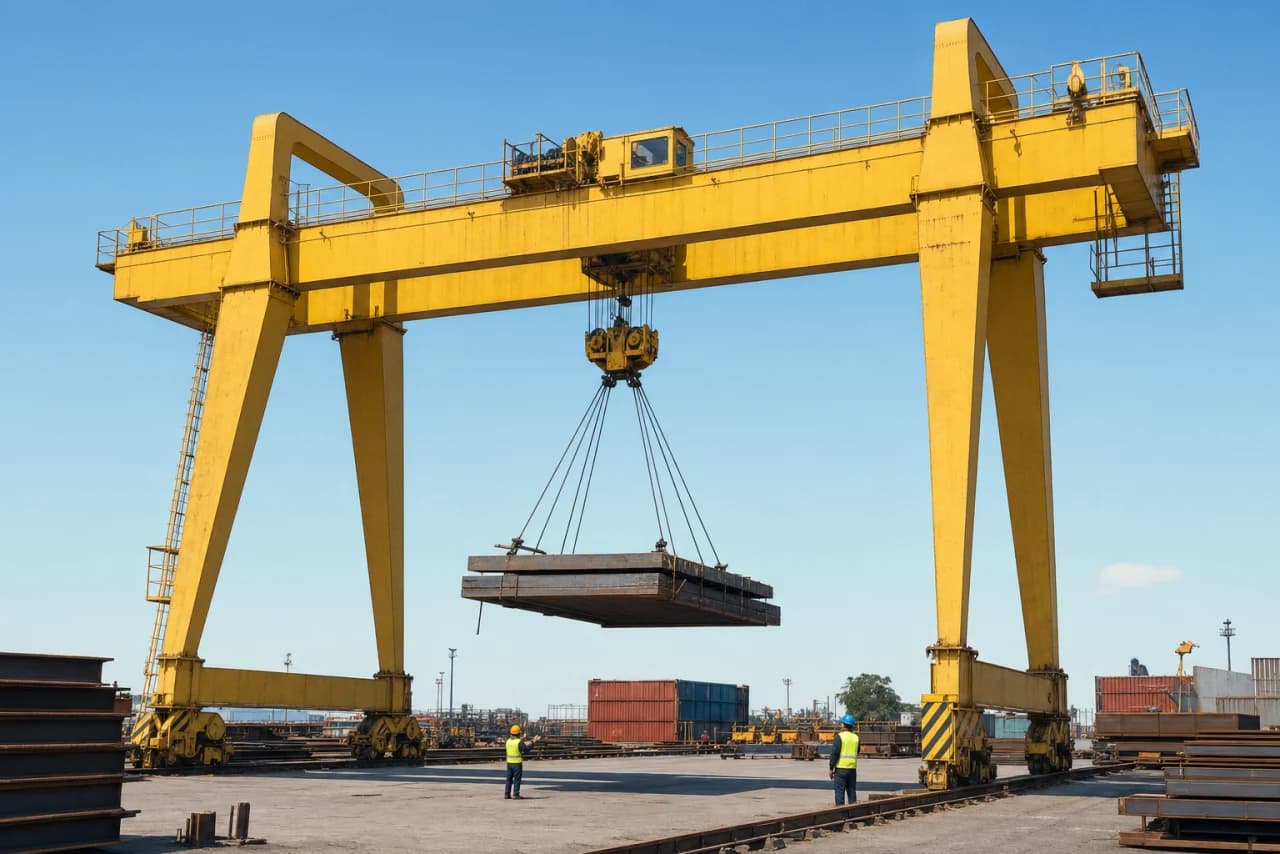
A gantry crane carries its bridge on freestanding legs that run on floor tracks or castors, so it lifts without the building steel an overhead crane needs. A portable gantry crane suits outdoor yards, workshops, rail sidings and any bay where a runway cannot be mounted overhead. Kranes supplies adjustable-height, portable and full-span gantry cranes for purchase or rental, sized to your load, span and duty cycle.
Best for Yards, workshops and bays without overhead steel
Key specifications
- Adjustable, portable & full-span options
- Floor-track or castor mobility
- Matched hoist & controls
- Indoor or outdoor duty
- Sales, rental, service & parts
About Gantry Crane
Key Takeaways
- ✓Gantry Crane pricing: By quote
- ✓Key features: Adjustable, portable & full-span options, Floor-track or castor mobility, Matched hoist & controls
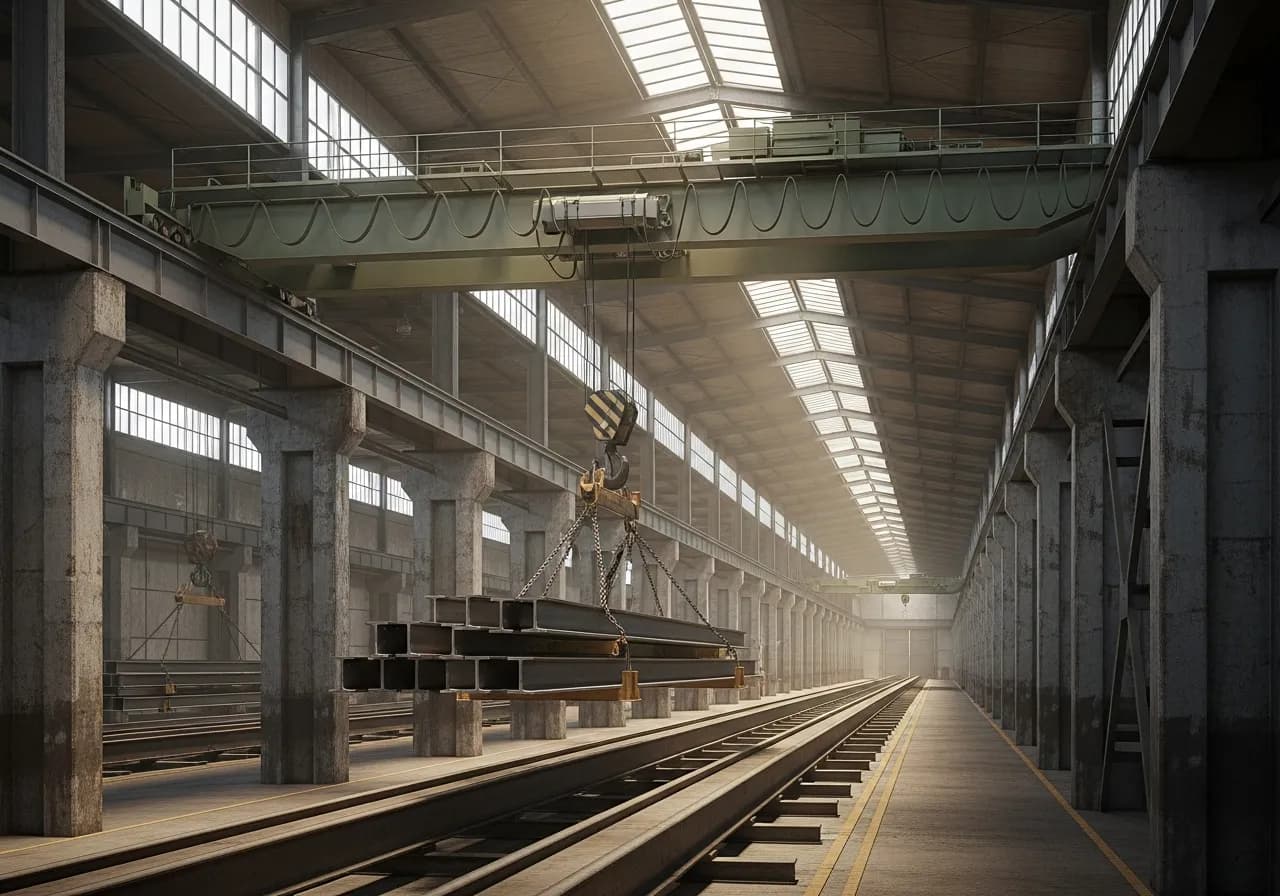
Gantry cranes come in several configurations, and the right one depends on how you work. A full gantry runs on rails at ground level so trucks and trailers can pass straight through the legs, while a semi-gantry keeps one leg on the floor and the other on an elevated runway to free up floor space along a wall. Single-girder designs are lighter and economical for everyday lifts; double-girder designs carry heavier loads, longer spans and higher hook positions for demanding duty cycles. Portable A-frame gantries roll on castors for occasional lifts in a workshop, and adjustable-height models telescope to clear different loads or move between bays.
Gantry Crane — Configurations
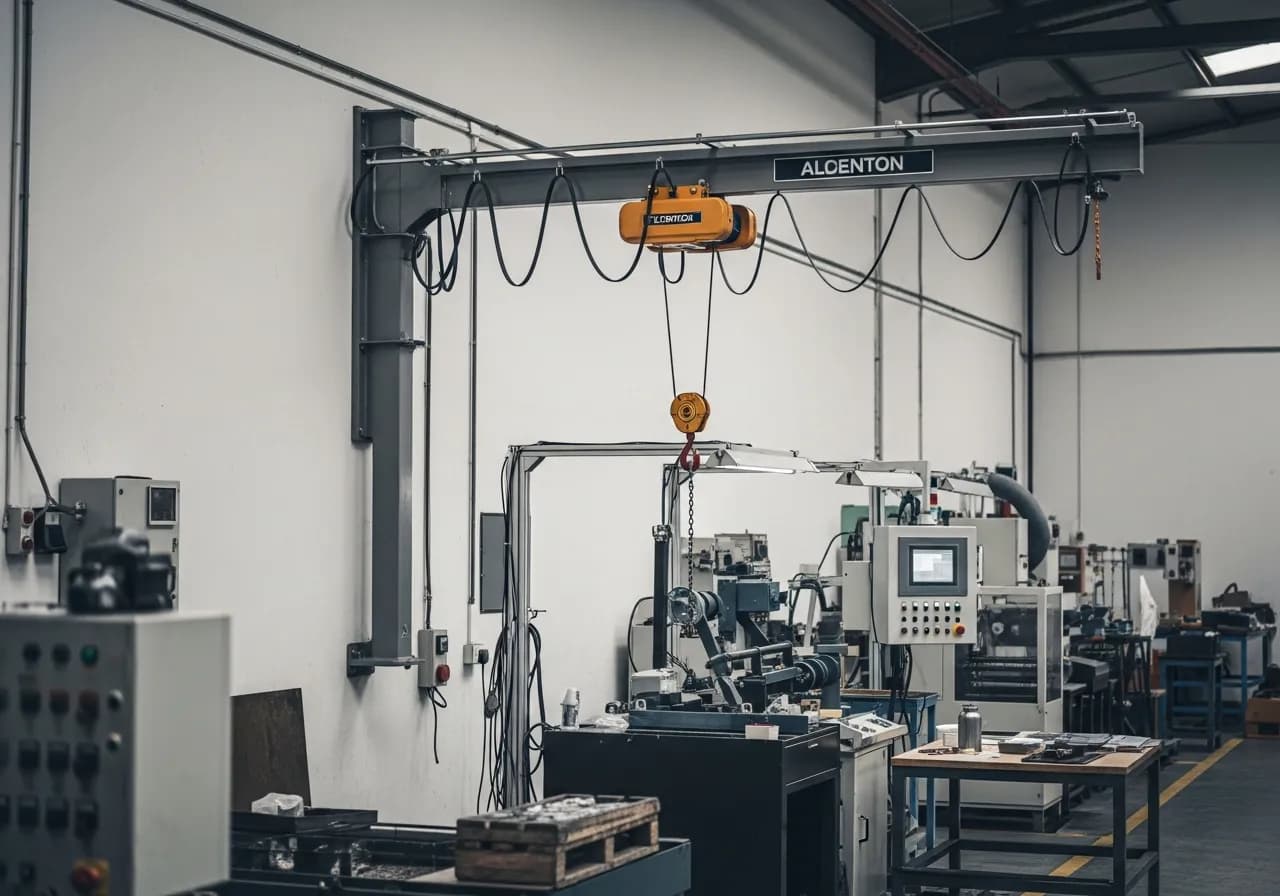
Whichever form fits, the hoist and trolley travel the full length of the bridge so you can place a load anywhere within the span. Because a gantry needs no overhead building steel, it earns its place wherever a fixed runway is impractical. Steel-fabrication shops use them to feed plasma tables and welding bays; rail yards and transit depots lift bogies, wheelsets and rolling stock; ports and laydown yards move containers, pipe and precast; and machine shops park a portable unit over a single workstation for engine, die or mold changes. Outdoor units are built with weather-rated motors, sealed bearings and corrosion protection for salt air, desert heat or northern winters, while indoor units can run quieter, lower-headroom hoists.
Applications
Rubber-tired and rail-mounted traveling gantries handle the largest spans and the heaviest repeatable picks across an open yard. Sizing a gantry is straightforward once you know three numbers: the heaviest load, the maximum lift height and the clear working width between the legs. From there Kranes matches the capacity, the girder type, the hoist speed and the duty class, then specifies the controls — pendant, radio remote or cab — and the power supply your site can provide. Buying makes sense when the crane runs every shift and becomes part of your process; renting fits a defined project, a seasonal peak or a one-time installation lift.
Service & support
Either way we coordinate delivery, assembly and commissioning so the crane arrives ready to certify, not as a box of parts. Every gantry we supply is backed by inspection, certification, repair and parts so it stays safe and compliant for its full service life. Our technicians load-test and document cranes to OSHA 1910. 179 and ASME B30.
How to get a quote
2, the US rules for the inspection, testing and maintenance of overhead and gantry cranes, and we source wire rope, hooks, sheaves, wheels, motors, brakes and controls nationwide — including for older units other suppliers have walked away from. Send us your load chart, a photo or a part number and we respond with a quote, availability and the service interval that keeps the crane working.
“This section applies to overhead and gantry cranes, including semigantry, cantilever gantry, wall cranes, storage bridge cranes, and others having the same fundamental characteristics.”
At a glance
| Specification | Details |
|---|---|
| Product | Gantry Crane |
| Price range | By quote |
| Best for | Yards, workshops and bays without overhead steel |
| Makes covered | All major makes |
| Operation | Operated or bare |
| Warranty | By quote |
| Compliance | OSHA / ASME B30 |
| Coverage | Nationwide (US) |
Why choose Gantry Crane?
What this equipment is built to do.
Gantry Crane across the United States
Kranes supplies gantry crane directly in major cities across the United States.
Questions about Gantry Crane
What is the difference between a gantry crane and an overhead crane?
Both run a hoist along a bridge, but the support is different. An overhead (bridge) crane carries its bridge on runway beams fixed to the building structure, so it clears the floor entirely and reaches the highest hook positions. A gantry crane carries the same bridge on freestanding legs that run on floor rails or castors, so it needs no building steel and can work outdoors, in yards or anywhere a runway can't be mounted overhead. Overhead cranes suit permanent in-bay production; gantries suit flexible, portable or outdoor lifting. Kranes supplies, installs and services both. Both are covered by OSHA 1910.179 when used in general industry.
What is a gantry crane and why is it called that?
A gantry crane is a lifting bridge carried on two freestanding legs that straddle the work area and run on floor rails or castors — essentially an overhead crane that brings its own supports instead of relying on the building. The name comes from "gantry," an old word for a raised frame or platform that spans a space. They're also called portal cranes, and smaller adjustable versions are known as portable or A-frame gantries. Kranes supplies adjustable, portable and full-span gantry cranes for yards, workshops and any bay without overhead steel. Gantries can be fixed or mobile, single- or double-girder.
How often does a crane need to be inspected?
For cranes used in construction, OSHA 29 CFR 1926.1412 sets three layers. A competent person must visually inspect the crane before or during each shift it is used. Each month the equipment is in service, that inspection is repeated and documented. At least every 12 months, a qualified person must carry out an annual/comprehensive inspection, with disassembly where required. Repaired or modified equipment must also be inspected before it goes back into use. Overhead and gantry cranes in plants follow OSHA 1910.179, which divides inspections into frequent and periodic intervals based on how exposed each component is to wear. Kranes schedules inspections around these intervals and keeps the records on file for your audits.