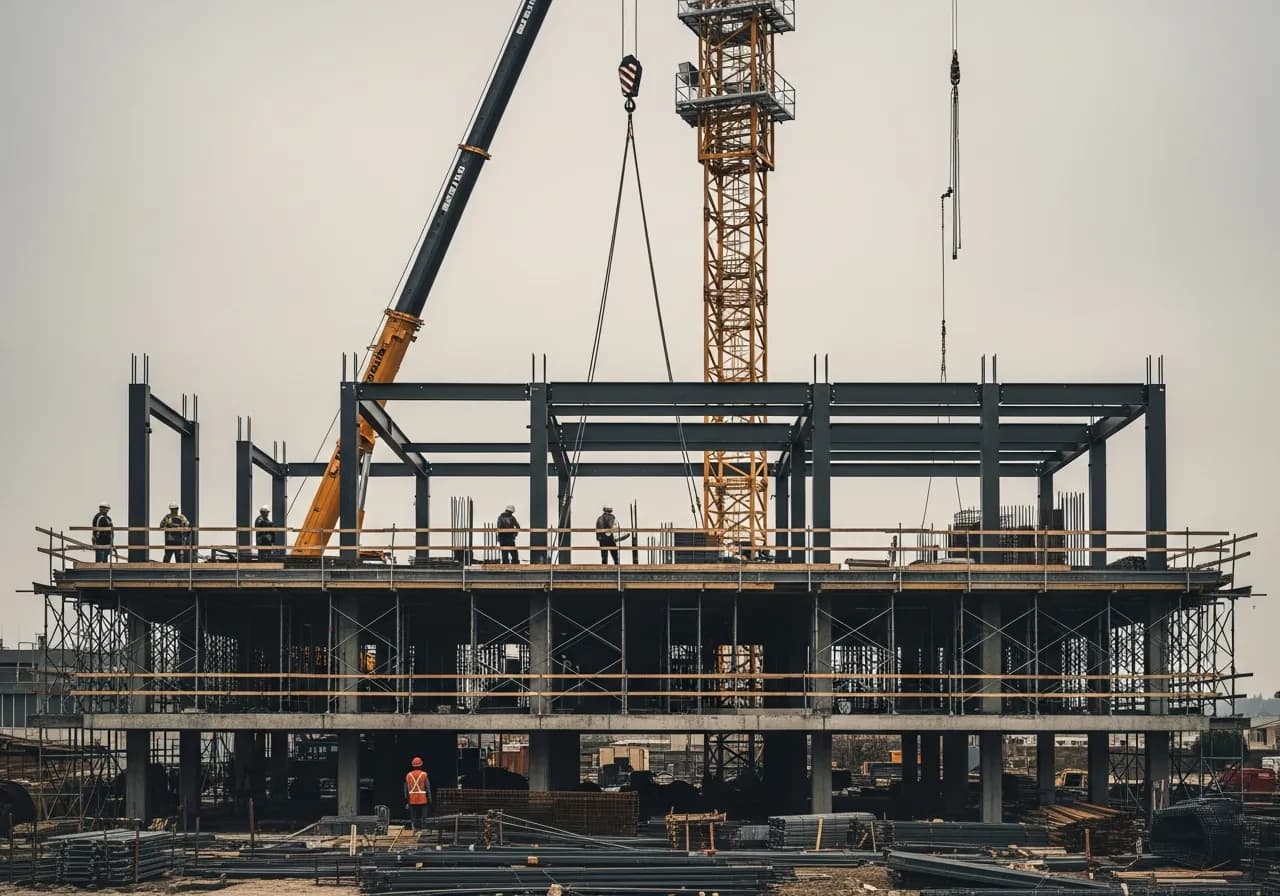
Construction
Construction
Construction runs on lifting — steel erection, precast setting, formwork, rebar, mechanical and roof-top placement all depend on the right crane arriving at the right hour. Kranes supplies mobile, tower, crawler and boom-truck cranes to general contractors and trades, operated or bare, sized to the heaviest pick at radius and the realities of a live site. Tell us the lift schedule and the access, and we quote the crane, rigging and certified operation to keep the build moving.
Typical applications
- Steel erection
- Precast & formwork setting
- Rooftop mechanical placement
- Material hoisting
Crane solutions for Construction
Key Takeaways
- ✓Key features: Steel erection, Precast & formwork setting, Rooftop mechanical placement
A construction project is really a sequence of lifts, and each phase calls for a different crane. Foundations and early structure suit a rough-terrain or all-terrain crane that moves on raw ground; steel erection and precast setting lean on mobile and crawler cranes sized to the heaviest pick at radius; a tall or long-duration build is planned around a tower crane that holds hook height for months. Boom trucks handle the steady stream of medium picks — rooftop units, material loads and trade deliveries — between the big lifts. Construction crane rental works because the fleet flexes to the schedule instead of forcing the schedule to a single machine.
Construction — The work
Kranes puts mobile, tower, crawler and boom-truck cranes on site, operated or bare, and swaps classes as the build moves from groundworks to structure to finishing. General contractors and trades get one supplier for the whole project, which keeps coordination, billing and certification under a single point of contact rather than chasing several rental desks. Every quote starts from the lift, not a catalog. Tell Kranes the heaviest pick and its radius, the lift height, the access and the dates, and we return the right capacity class, the rigging and the certified operation to match a live, congested site.
The right crane
Mobilization, ground protection and permit support are coordinated so the crane arrives ready to work on the day the schedule needs it, for a single pick, a phase or the full build. On a construction site the safety case carries the project, so every machine carries a current annual inspection under OSHA 1926 Subpart CC and every operator is NCCCO-certified. Kranes keeps service and parts behind the fleet through the rental, so a breakdown does not become a stalled trade and a missed pour. Share the lift schedule and the site constraints, and we quote the crane, rigging and crew to keep steel rising and concrete moving across the United States.
“This standard applies to power-operated equipment, when used in construction, that can hoist, lower and horizontally move a suspended load.”
Why Kranes for Construction work
Related industries
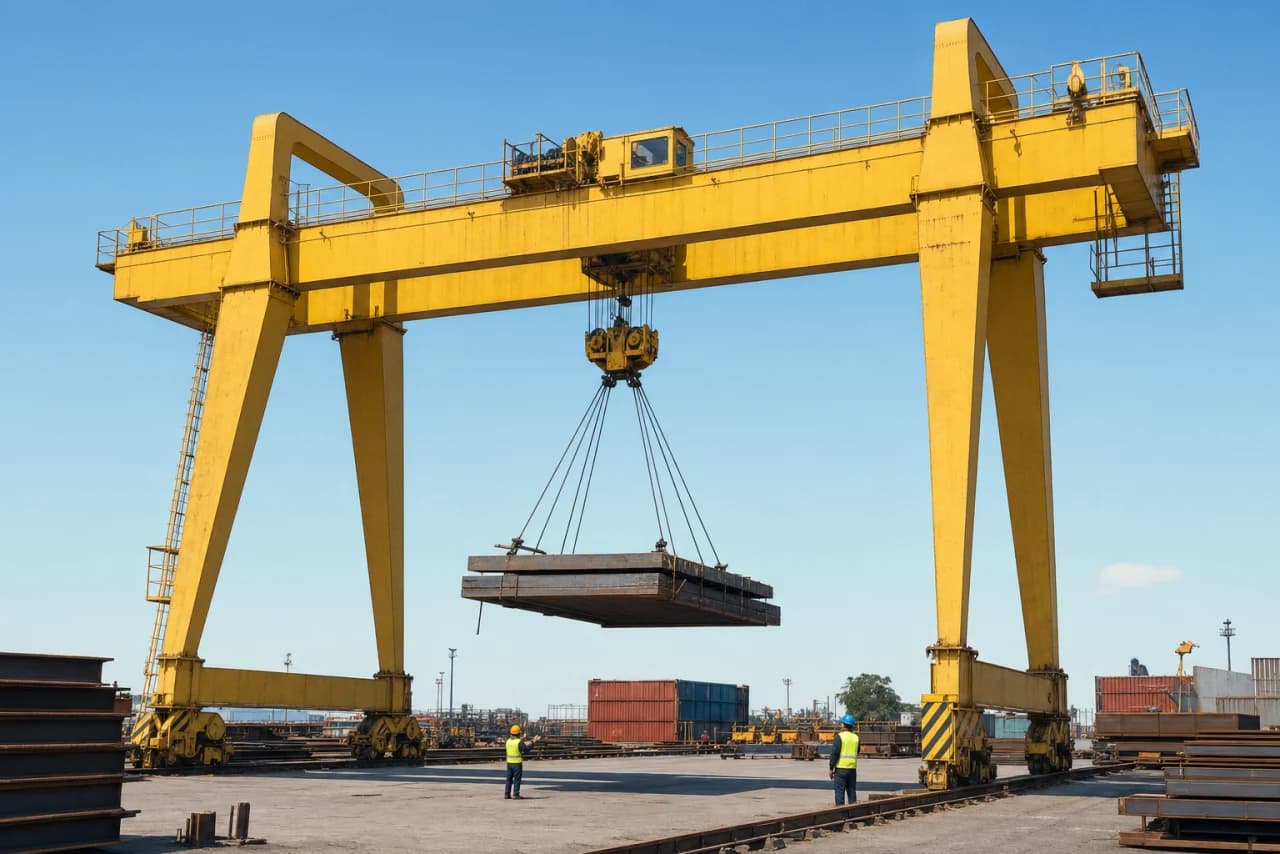
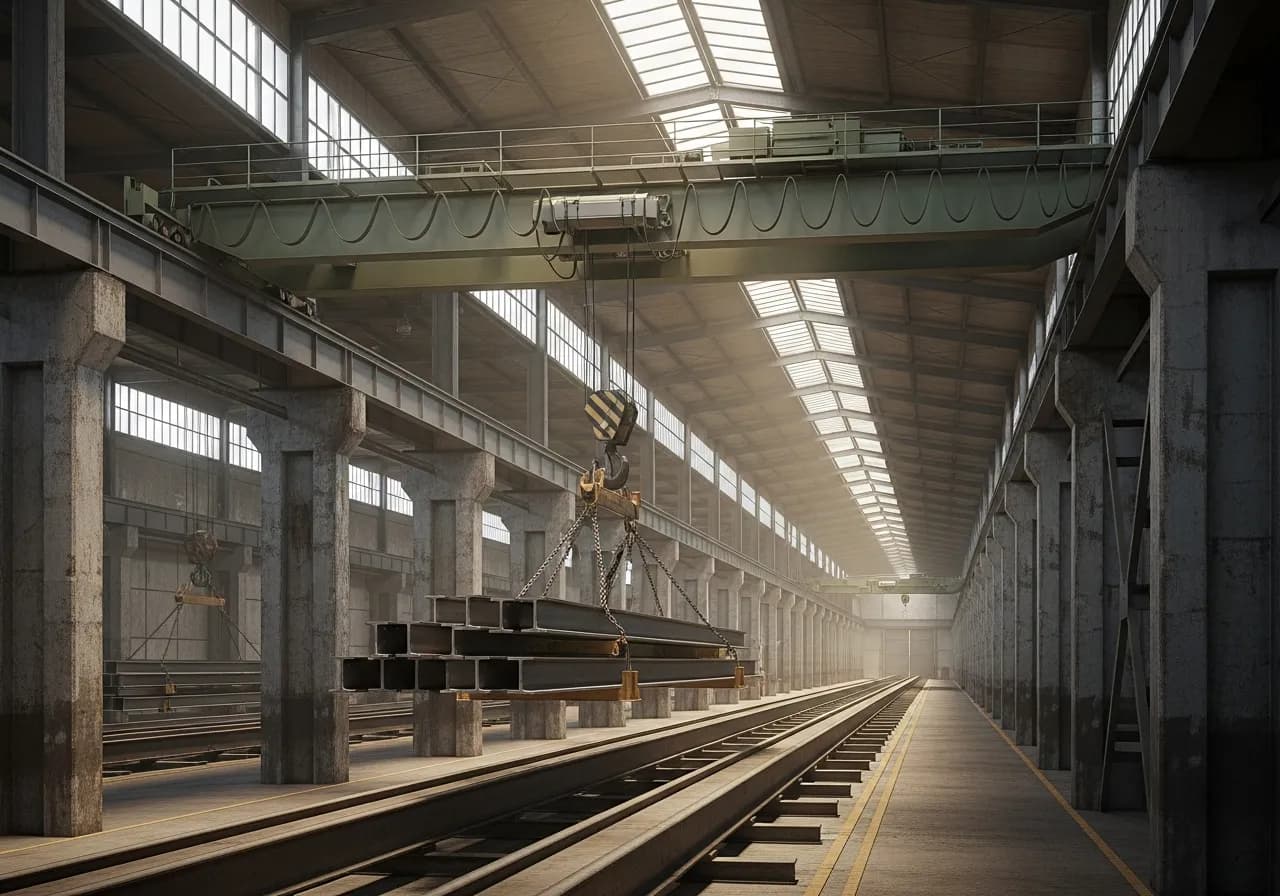
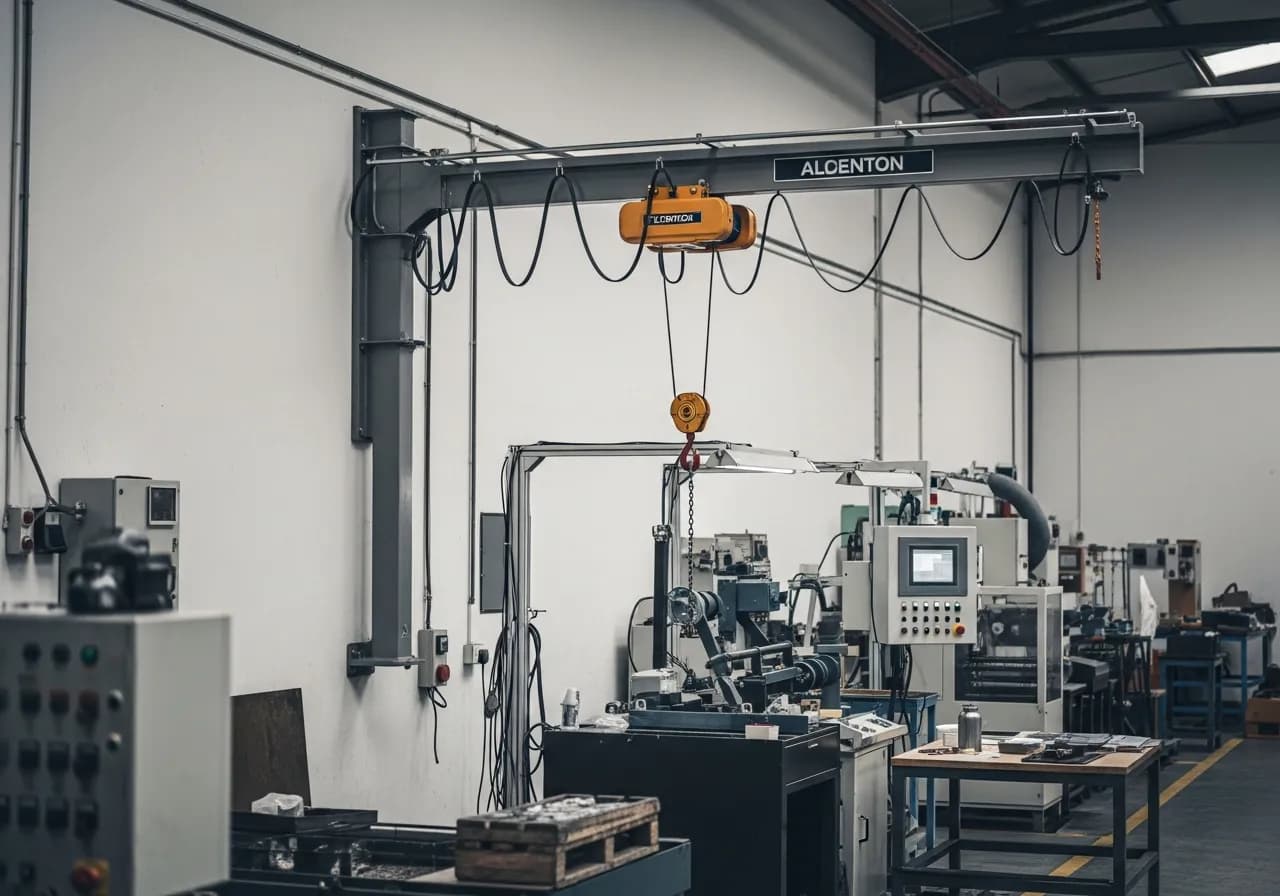
Construction across the United States
Questions about cranes for Construction
What is the 10-foot rule for cranes?
The "10-foot rule" is the common name for keeping cranes, loads and rigging a minimum distance from overhead power lines. In general industry, OSHA 29 CFR 1910.333 sets 10 feet for lines up to 50 kV, plus 4 inches for every 10 kV above that. For cranes used in construction, OSHA 29 CFR 1926.1408 is stricter: if any part of the crane, load line or load could come within 20 feet of a power line up to 350 kV, the employer must de-energize and ground the line, keep a 20-foot clearance, or use the voltage-based clearance table. Every Kranes lift plan checks for overhead lines, and certified operators keep the required clearance throughout the lift.
Do you need two people to operate a boom lift?
For a crane lift, the safe answer is usually more than one: a certified operator runs the machine while a qualified signaller or rigger directs the load, especially when the operator can't see the landing zone. Solo operation is only appropriate for simple, fully-visible picks within the operator's qualification. Kranes supplies certified operators and, where the lift calls for it, the signaling and rigging support to do it safely — the crew is sized to the job, not the other way around. For construction work, OSHA 1926 Subpart CC sets when a signal person is required. On complex lifts, a rigger and a signal person are part of the crew.
How often does a crane need to be inspected?
For cranes used in construction, OSHA 29 CFR 1926.1412 sets three layers. A competent person must visually inspect the crane before or during each shift it is used. Each month the equipment is in service, that inspection is repeated and documented. At least every 12 months, a qualified person must carry out an annual/comprehensive inspection, with disassembly where required. Repaired or modified equipment must also be inspected before it goes back into use. Overhead and gantry cranes in plants follow OSHA 1910.179, which divides inspections into frequent and periodic intervals based on how exposed each component is to wear. Kranes schedules inspections around these intervals and keeps the records on file for your audits.